Entertainment Design
ArtCenter College of Design
2026 FALL Electives
Join a Capstone – Help Bring a Short Film or New Game to Life!
See all the available projects this Fall here!
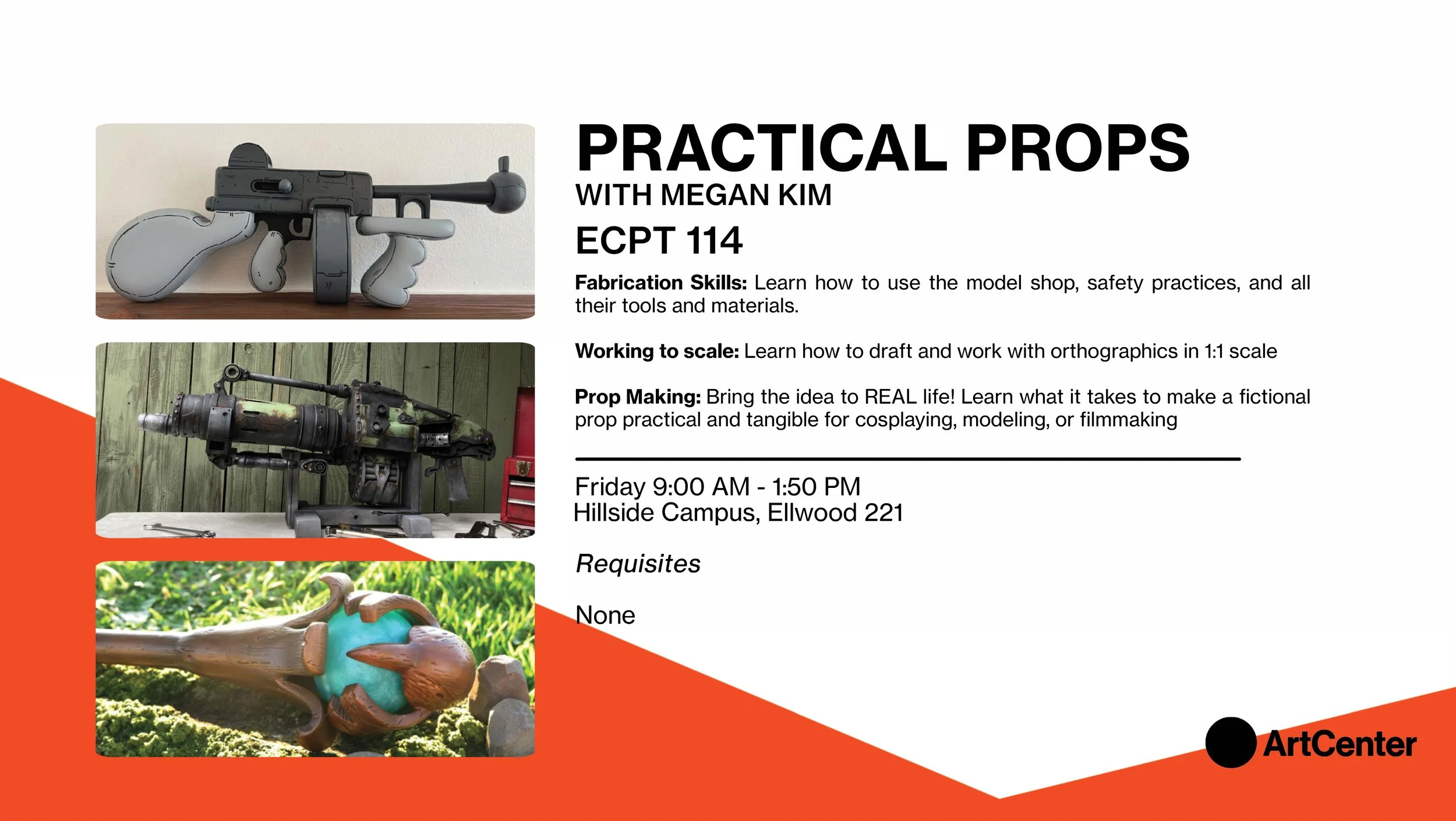
ECPT-114 | Practical Props
Faculty: Megan Kim
This elective course offers hands-on experience in the art of prop making for entertainment, combining design theory with practical fabrication skills. Students will explore the process of creating high-quality props for film, theater, and themed environments. Through a series of guided projects, participants will gain exposure to model shop practices, including the safe and effective use of a wide range of power tools, materials, and fabrication techniques. From concept sketches to finished pieces, students will develop the ability to translate design ideas into physical objects, while learning industry best practices for tool handling, project planning, and execution. Emphasis will be placed on creativity, precision, problem-solving, and collaboration, giving students a solid foundation for further exploration in the fields of production design, special effects, and scenic construction.
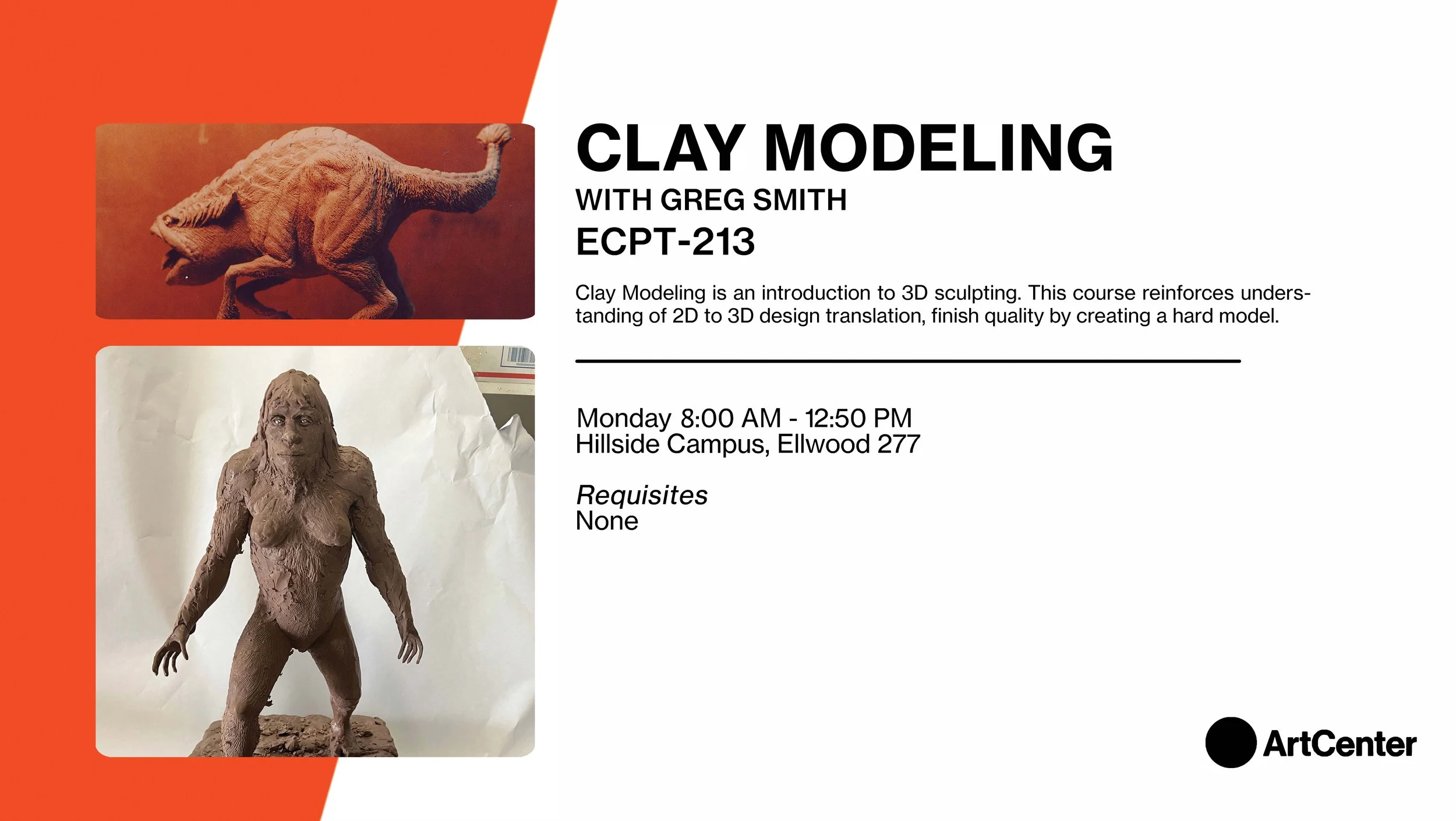
ECPT-213 | Clay Modeling
Faculty: Greg Smith
Clay Modeling is an introduction to 3D sculpting. This course reinforces understanding of 2D to 3D design translation, finish quality by creating a hard model.
EANI-155 | Concept Art 2
Faculty: Carson Brown
Students will learn how to design simple characters, props and environments.
EANI-202 | Environment Art & Video Games
Faculty: Zach Adams
Students will learn the process of creating 3D props and environments specifically for animation and game production. Utilizing software like Maya, Substance Designer/Painter, Blender, and the Unreal Engine, the focus will be on refining fundamental modeling, shading, and world building skills in the context of creating production-ready assets.
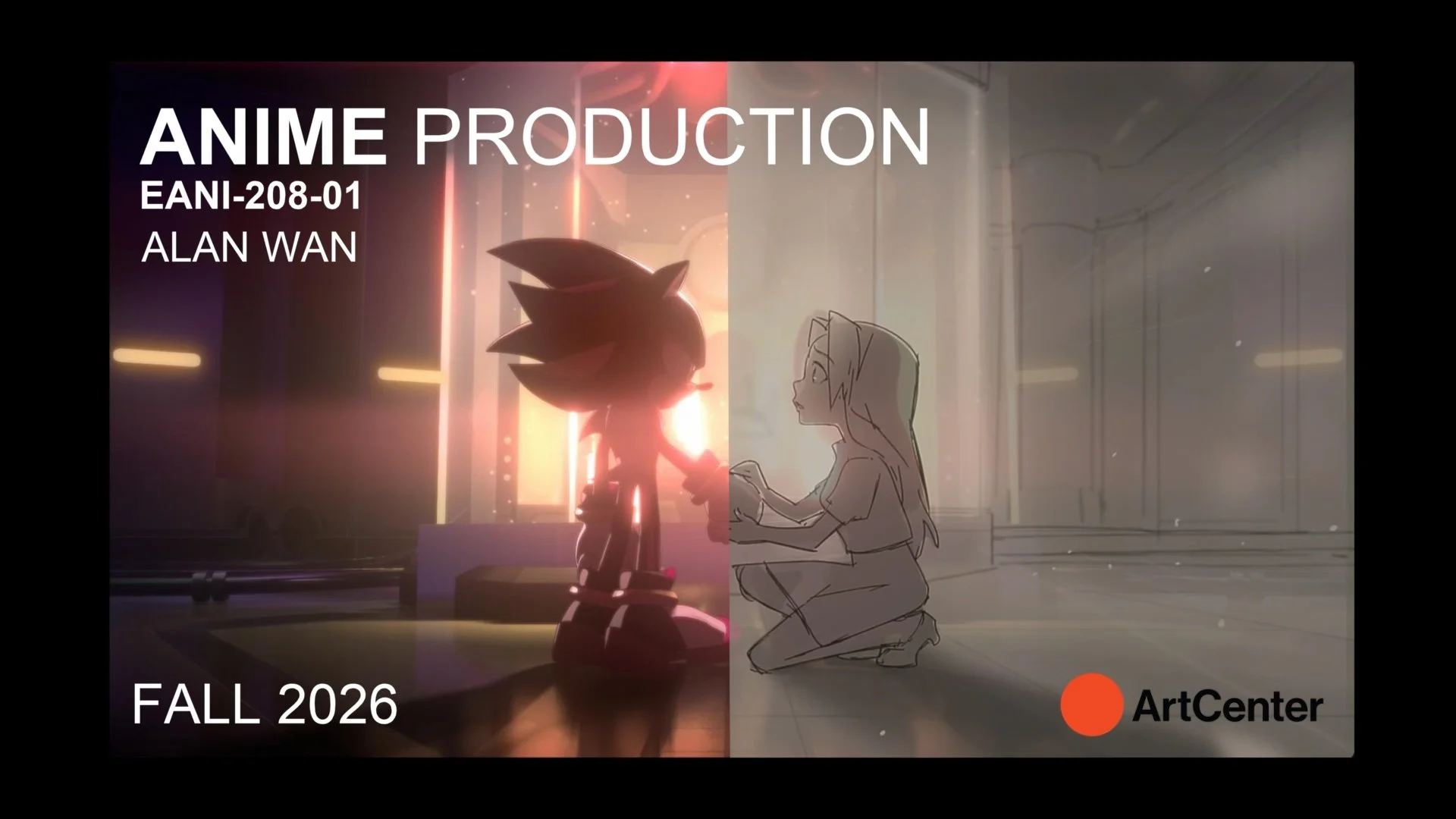
EANI-208 | Anime Production
Faculty: Alan Wan
This course explores anime as both a contemporary storytelling language and a production methodology within animation. Students examine the artistic, historical, and industrial influences that have shaped anime and its impact on global animation. Through lectures, case studies, and studio projects, students develop skills in visual storytelling, production planning, and creative problem-solving while learning approaches that balance artistic ambition with production efficiency. Emphasis is placed on designing work that is visually compelling, production-conscious, and adaptable to professional animation pipelines.
EANI-259 | Stop Motion 1
Faculty: Greg Pinsoneault
This class covers fabrication: students will learn how to build stop-motion puppets and sets.
ECPT-282 | Indie & Experimental Game
Faculty: Cecil Kim
Welcome to the world of Indie and Experimental Game Art, where imagination knows no bounds! This dynamic course is designed to equip aspiring game artists with the skills and creative mindset needed to craft captivating and unique assets and narratives for indie games. From character design and environmental art to story development and user interface elements, this course delves deep into the diverse realm of game asset creation.
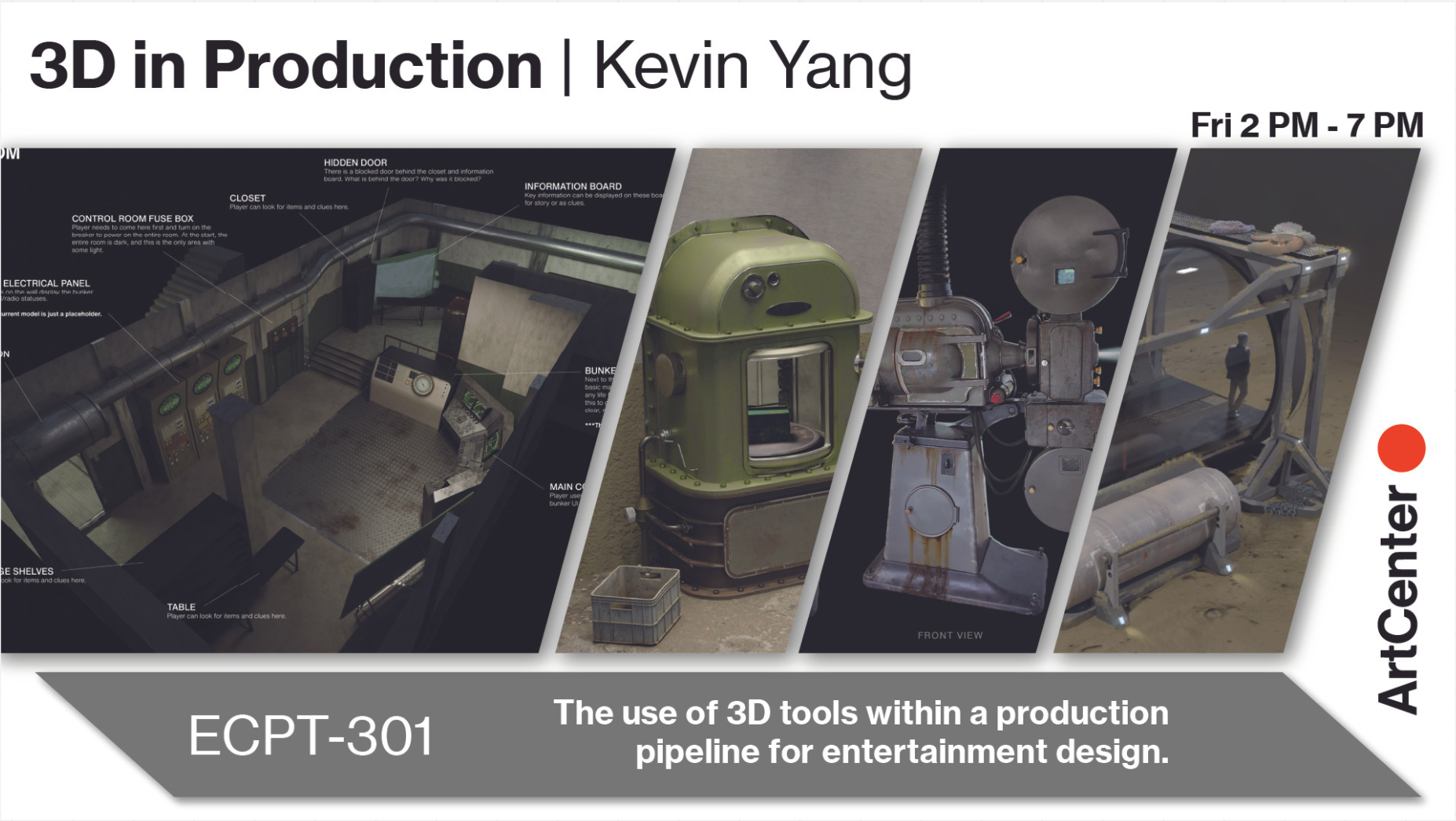
ECPT-301 | 3D in Production
Faculty: Kevin Yang
An elective covering the use of 3D tools within a production pipeline for entertainment design.
ECPT-302 | Plein Air Painting
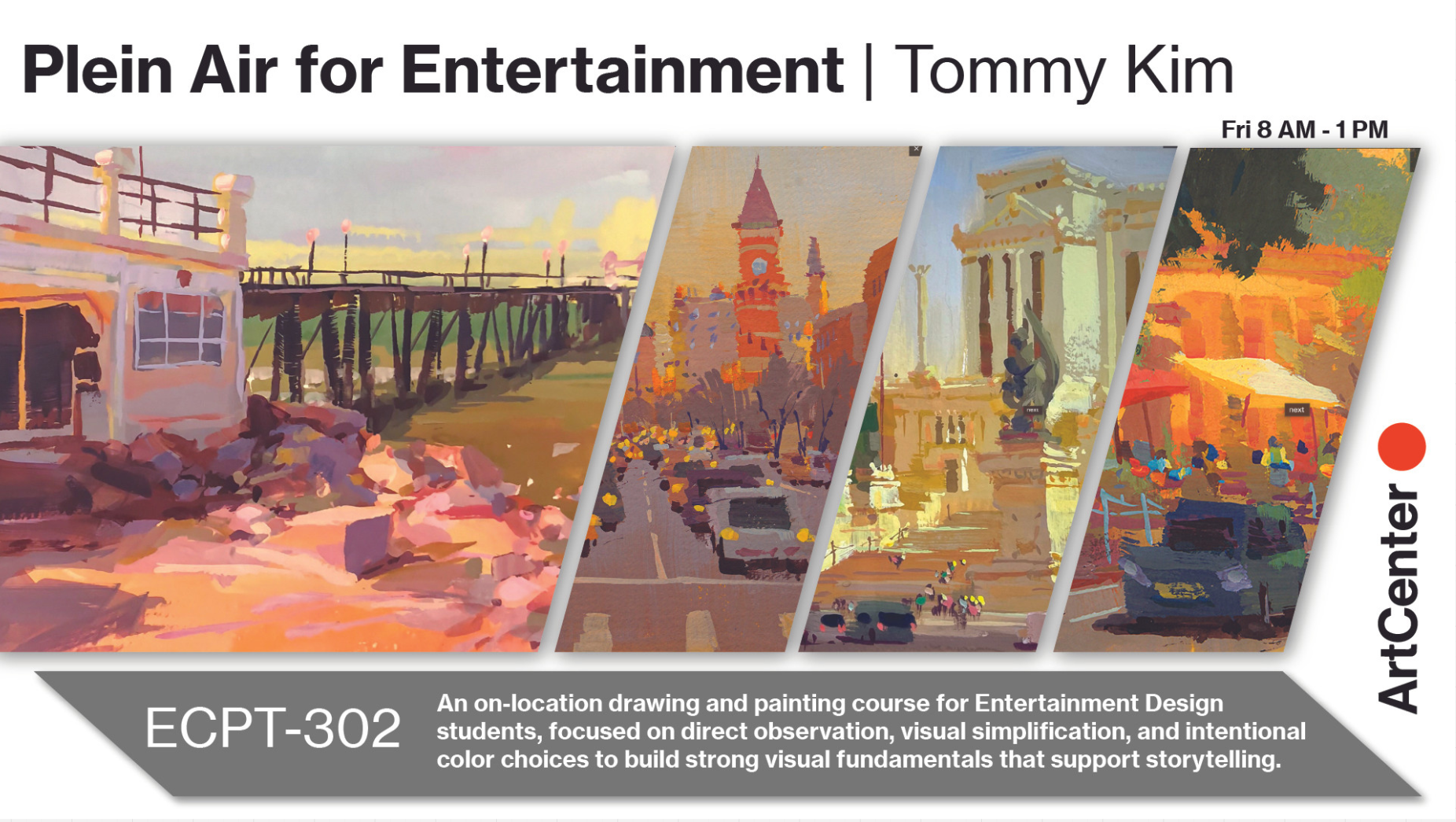
Faculty: Tommy Kim
An on-location (plein air) drawing and painting course for Entertainment Design students, focused on direct observation, visual simplification, and intentional color choices to build strong visual fundamentals that support storytelling.
ECPT-309A | World Building
Faculty: Zach Adams (section 01), Jin Kim (section 02)
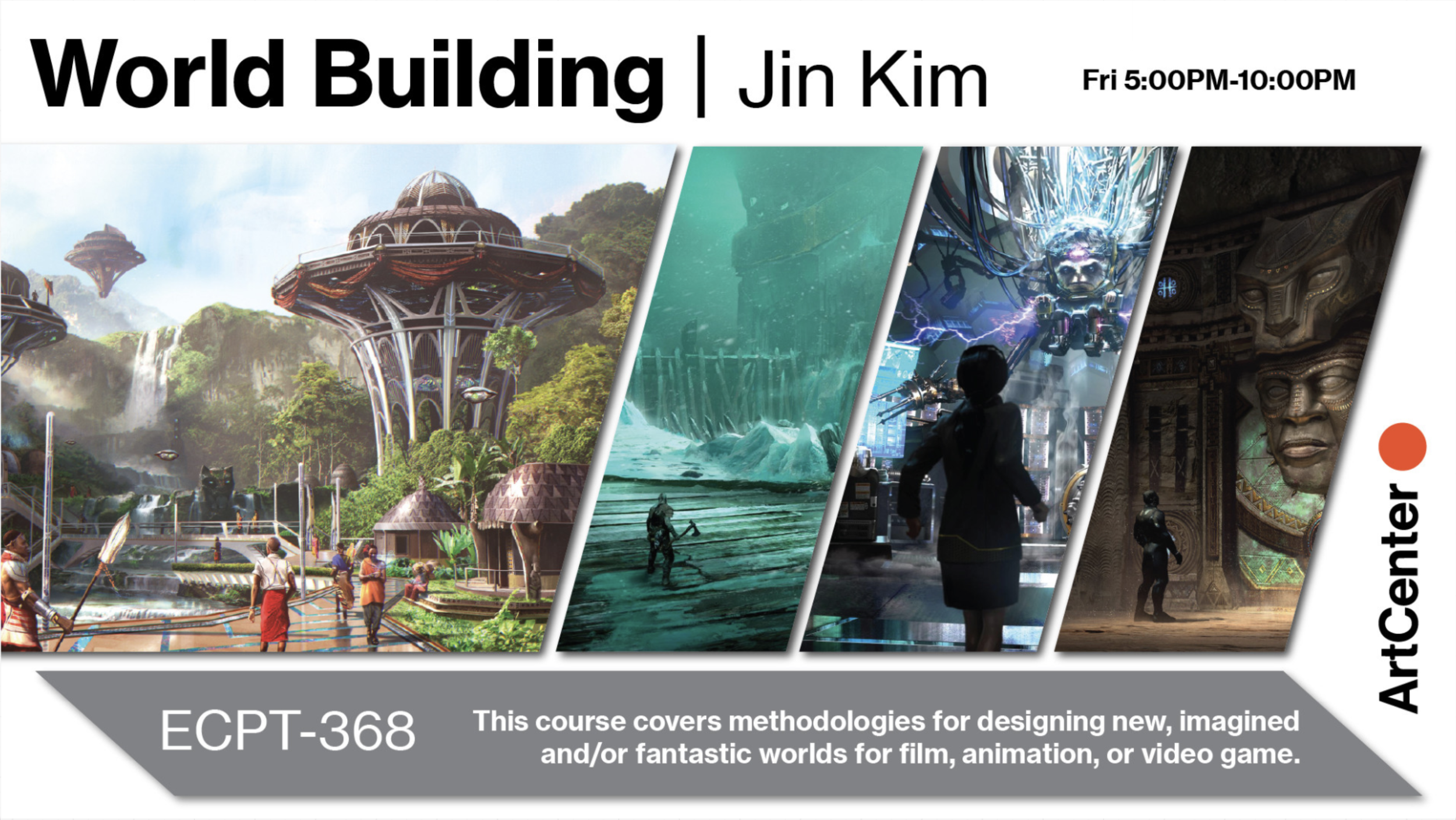
This course covers methodologies for designing new, imagined and/or fantastic worlds for film, animation, or video game projects based on the needs of the story. Coherence of design, far reaching ideas, logical response to story constraints, imagination and originality are all important topics. Students finish the term by crafting their own unique, immersive storyworld.
ECPT-315A | Inner Character Design
Faculty: Kenny Mirman
Great character designs are three-dimensional in more ways than one. This immersive, heartfelt course explores backstories, emotional wounds, fears, and traits that define a character's visual design and body language, using psychological design tools to reveal the inner story that guides the outer design.
ECPT-319 | Intro to Digital Sculpting
Faculty: Damian Szeibert
The students will learn the essential tools such as ZBrush to create a digital character sculpt including soft body dynamic costuming elements and hard surface accessories. The class covers understanding virtual 3D objects, application of anatomical forms and hard surface techniques to properly produce a believable character.
ECPT-321 | Architecture of Make Believe
Faculty: Doug Rogers
This course focuses on designing fictional architectural places that adhere to the concept of credible fantasy which involves research to provide grounding in historical and cultural precedent. The designs will be story-driven and take into consideration the physical realities of environmental placement. Techniques covered can be applied to live action film, animation, video game, and theme park projects.
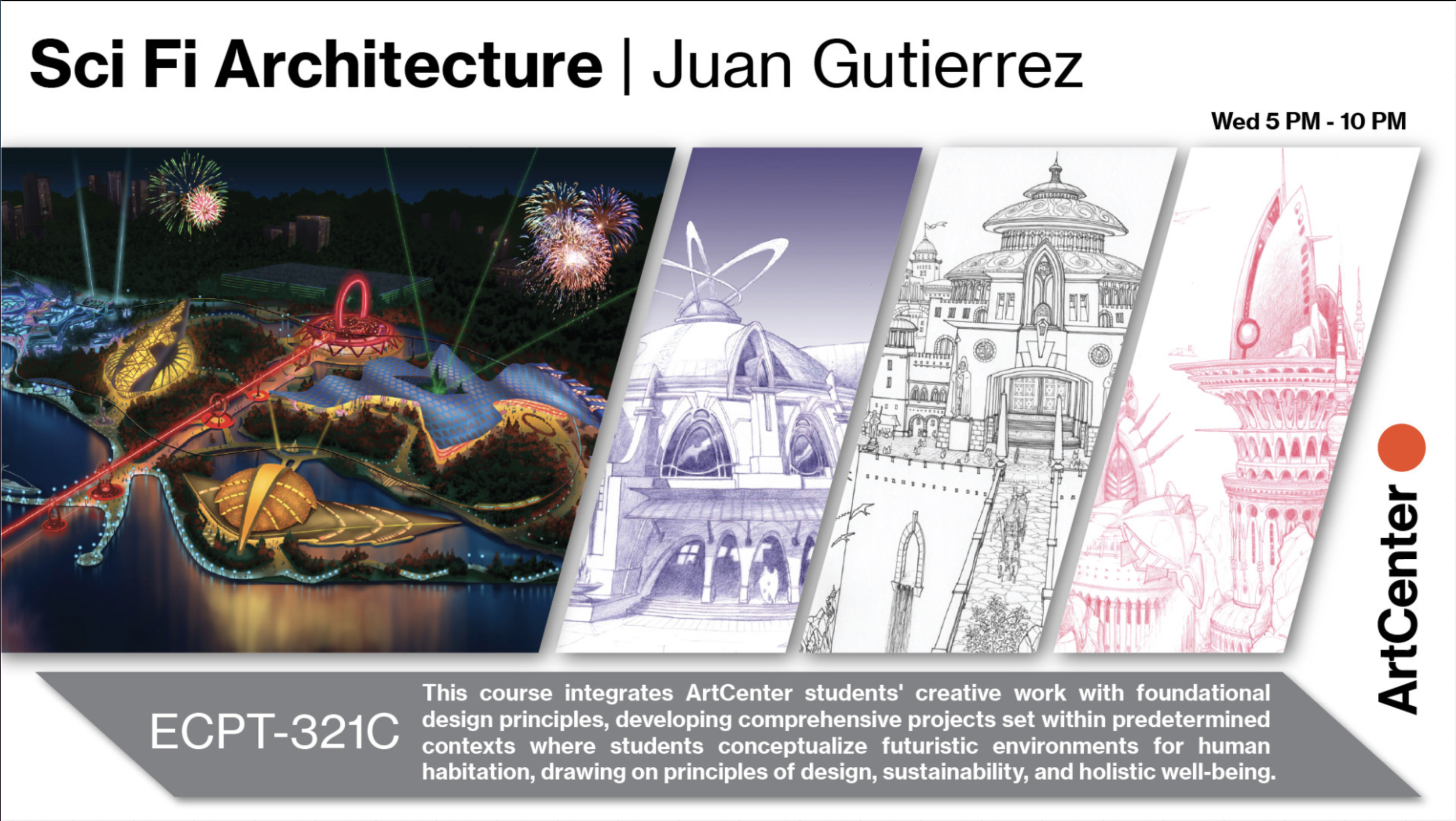
ECPT-321C | Sci-Fi Architecture
Faculty: Juan Gutierrez
This advanced studio examines the principles of architectural design within speculative science fiction and fantasy settings. Students apply research, design thinking, and worldbuilding methodologies to create environments that respond to the functional, cultural, environmental, and narrative needs of fictional societies.
ECPT-323 | Interior Visions
Faculty: Juan Gutierrez
"Interior Visions: The Art of Inner Spaces." An immersive concept design class exploring interior environments from the traditional to the fantastical — from historical palaces to futuristic spaceship interiors — building skills in spatial visualization, storytelling, and rendering.
ECPT-356 | Visual Development
Faculty: Leighton Hickman
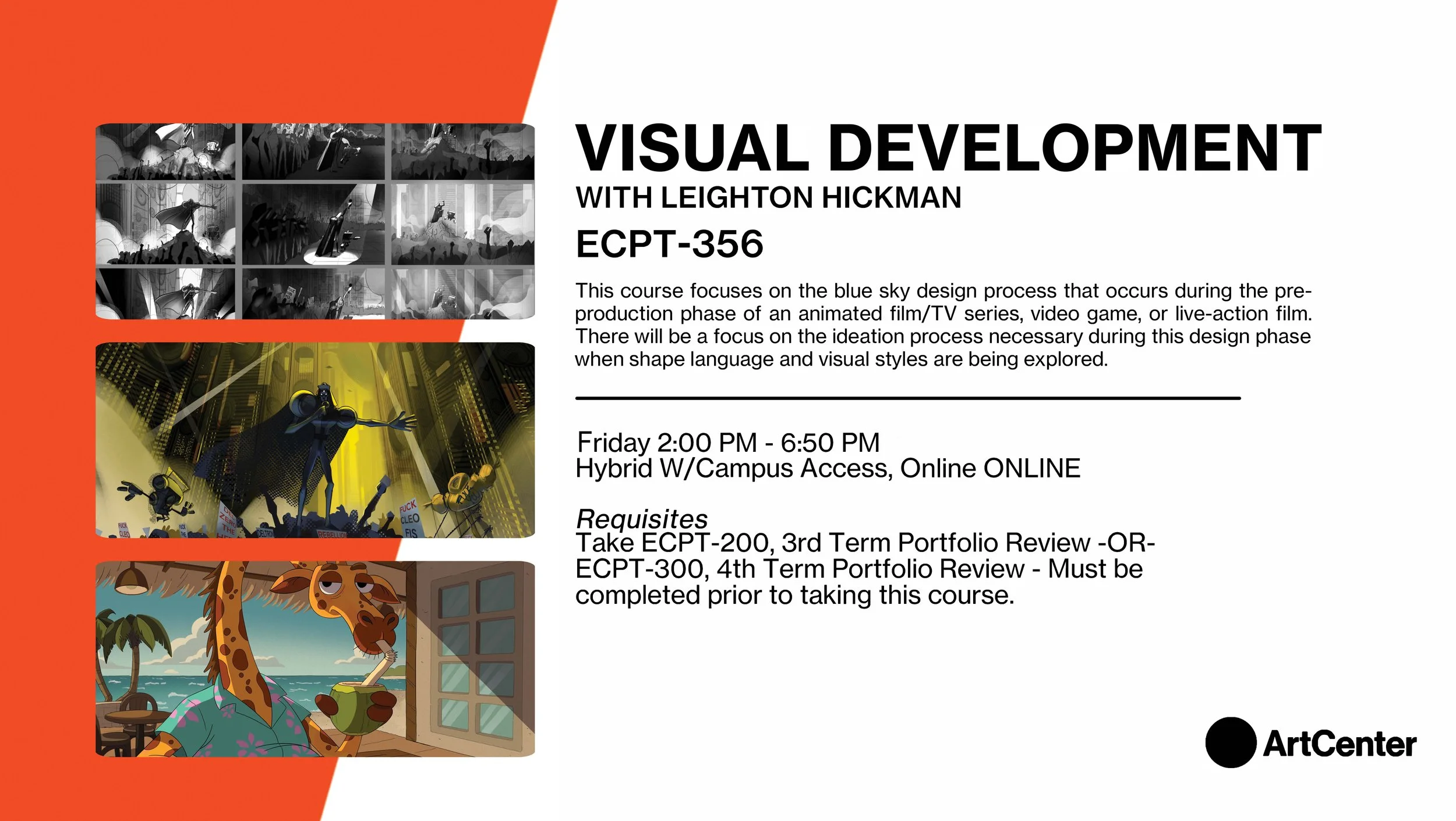
This course focuses on the blue sky design process that occurs during the preproduction phase of an animated film/TV series, video game, or live-action film. There will be a focus on the ideation process necessary during this design phase when shape language and visual styles are being explored.
ECPT-362 | Character Design for Video Games
Faculty: Cameron Davis
This course covers the many stages of the character concept development process for the video game industry including: character analysis, reference, ideation, color/texture variation, prop design, production drawings, and so on. Students gain a strong understanding of how to design characters based on story and gameplay and have the opportunity to produce portfolio pieces based on their style preference.
ECPT-368 | Entertainment Graphics
Faculty: Jeff Kelly
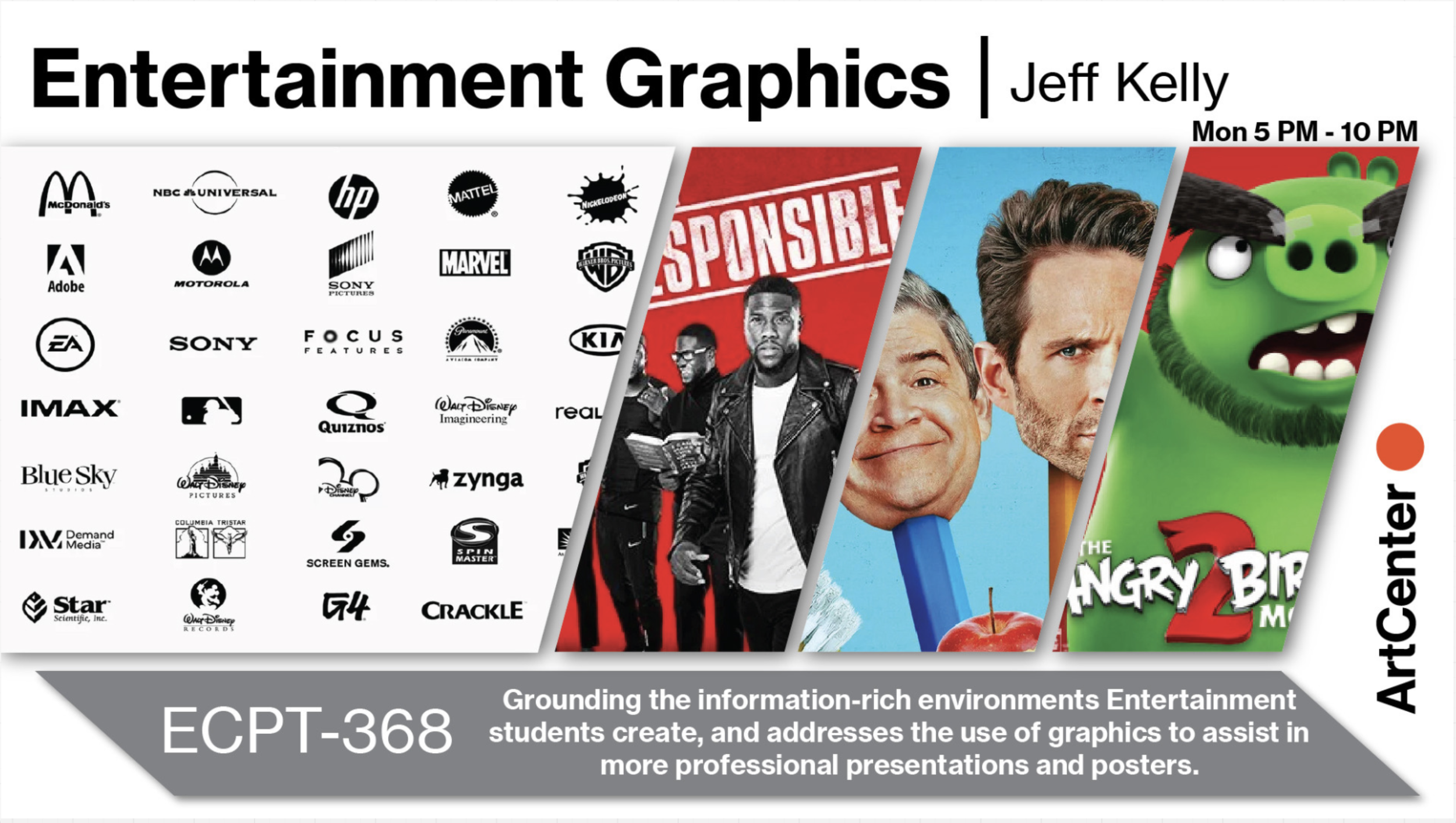
This course addresses graphic design from a world building perspective. Design elements will be created and discussed, expressing the specific styling guidelines for a genre. Entertainment Graphics grounds the information-rich environments Entertainment students create, and addresses the use of graphics to assist in more professional presentations and posters.
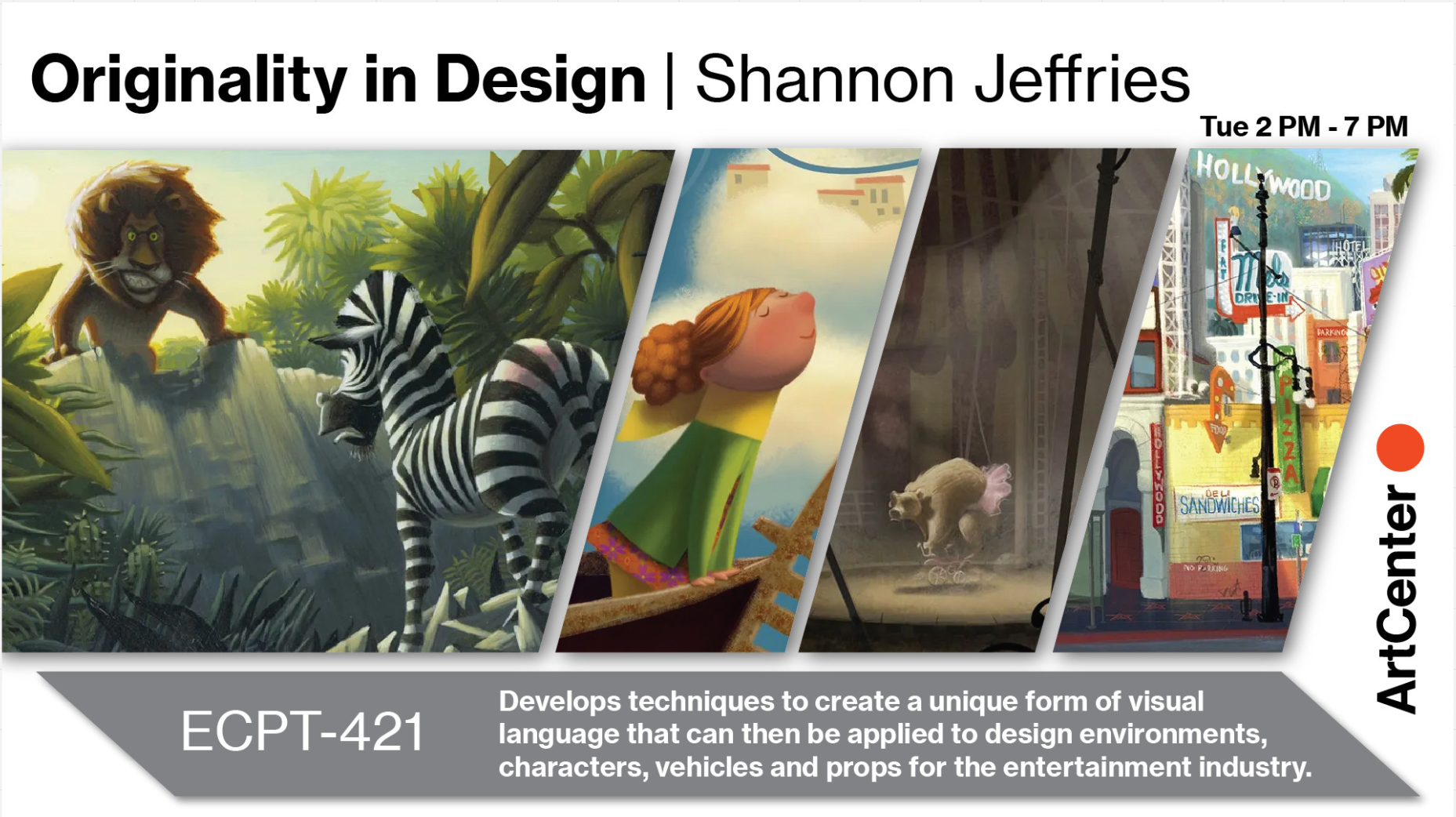
ECPT-421 | Originality in Design
Faculty: Shannon Jeffries (section 01), Francisco Mora (section 02)
Originality in Design develops techniques to create a unique form of visual language that can then be applied to design environments, characters, vehicles and props for the entertainment industry. Shedding previous influences, exploring new forms, as original and innovative as possible, and implementing it as a designed project.